
"coffee alkaloids"
500 article(s) found

The debate of the century: does coffee cause cancer or fight cancer?
Communication of professional baristas Please follow the coffee workshop (official Wechat account cafe_style) in China, drinking coffee is becoming more and more popular. Hold a random meeting, the rest of the meeting is coffee, and many people will buy a cup of coffee at work. As people pay more attention to their health, the health of drinking coffee is often discussed. Some people say that coffee is good for health and can prevent cardiovascular diseases.

What is caffeine? How much do you know about the effects and effects of caffeine?
Caffeine is a xanthine alkaloid compound, a central nervous system stimulant that temporarily repels drowsiness and restores energy. it is used clinically to treat neurasthenia and coma resuscitation. Caffeinated coffee, tea, soft drinks and energy drinks sell very well, so caffeine is the most common in the world.

Basic knowledge of Fine Coffee A brief discussion on caffeine
Caffeine (Caffeine) is an alkaloid extracted from tea and coffee fruit. Moderate use of caffeine can dispel fatigue and excitatory nerves. Caffeine is used in clinical treatment of neurasthenia and coma resuscitation. The main source of caffeine in the food industry is coffee beans. Tea, cocoa, cola and Red Bull drinks all contain caffeine. Even women's oral contraceptive contains coffee.
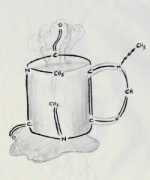
Fine coffee common sense the soul of caffeine coffee
The chemical structure of caffeine caffeine can be said to be the soul of coffee and the most controversial issue. Caffeine is an alkaloid in coffee beans, which can stimulate the central nervous system, stimulate the secretion of epinephrine and enhance heart function in the right dose. Although caffeine has no odor, it has a remarkable bitter taste. Although some people want to take advantage of the bitter taste of coffee
Basic knowledge of Fine Coffee A brief discussion on caffeine
Caffeine (Caffeine) is an alkaloid extracted from tea and coffee fruit. Moderate use of caffeine can dispel fatigue and excitatory nerves. Caffeine is used in clinical treatment of neurasthenia and coma resuscitation. The main source of caffeine in the food industry is coffee beans. Tea, cocoa, cola and Red Bull drinks all contain caffeine. Even women's oral contraceptive contains coffee.

What's the use of drinking coffee? What do you need to pay attention to when drinking coffee?
Do not underestimate a small cup of coffee, it can contain a variety of healthy ingredients, coffee beans contain sugars, protein, fat, hydrochloric acid, potassium, crude fiber, moisture and other nutrients. In addition, coffee also contains caffeine, tannic acid, alkaloids and other beneficial ingredients. So what is the nutritional value of coffee? What do you need to pay attention to when drinking coffee? Coffee

Angel or Devil talk about the advantages and disadvantages of caffeine
Caffeine (Caffeine) is an alkaloid extracted from tea and coffee fruit. Moderate use of caffeine can dispel fatigue and excitatory nerves. Caffeine is used in clinical treatment of neurasthenia and coma resuscitation. The main source of caffeine in the food industry is coffee beans. Tea, cocoa, cola and Red Bull drinks all contain caffeine. Even women's oral contraceptive contains coffee.

The classification of coffee beans. Classification of raw beans.
Plant classification Coffee tree belongs to the evergreen tree of Rubiaceae. Rubiaceae plants have been dominated by plants with special effects since ancient times, such as quinine tree, which is regarded as a specific drug for malaria, and Dugan, which is used to treat Amiba dysentery. Coffee is defined as the most unique alkaloid drinking flora. The fruit of coffee is made up of outer skin, pulp, endocarp, silver skin, and the species wrapped in the innermost layers mentioned above.

Nutritional value of Coffee effect of Coffee on Human Health
Do not underestimate a small cup of coffee, it can contain a variety of healthy ingredients! Modern medical research points out that coffee beans contain sugars, protein, fat, hydrochloric acid, potassium, crude fiber, water and other nutrients. In addition, coffee also contains caffeine, tannic acid, alkaloids and other beneficial ingredients. A study on the effect of Coffee on Human Health
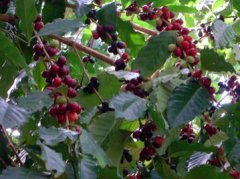
Basic knowledge of Coffee Coffee Tree Classification and growth picking period
Coffee tree belongs to the evergreen tree of Rubiaceae. Since ancient times, most of the plants of Rubiaceae are plants with special effects, such as quinine tree, which is regarded as a specific drug for malaria, and Dugan, which is used to treat amoeba dysentery. Coffee is defined as the most unique alkaloid drinking flora. The fruit of coffee consists of outer skin, pulp, endocarp, silver skin, and seeds (coffee beans) wrapped in the innermost layers mentioned above.

Classification of plant taste of coffee tree
Coffee tree belongs to the evergreen trees of Rubiaceae family. Since ancient times, most plants of Rubiaceae family have special medicinal effects. Quinine tree, which is regarded as a special medicine for malaria, and Dugen, which treats amigo dysentery, are examples. Coffee is positioned as the most unique alkaloid drinking flora. The fruit of coffee is composed of outer skin, pulp, endocarp, silver skin, and seed which is wrapped in the innermost layer by the above layers.

New information in the industry: the magical effect of coffee beauty
Coffee beans are of great value to the body. Caffeine in coffee beans, as the most important ingredient, can promote lymphatic circulation. In addition, coffee also contains other useful ingredients, such as organic acids, fatty acids, alkaloids, minerals, potassium, magnesium, iron and so on. The coffee bean product line represented by the brand Pascucci is particularly famous, which is used in most brand cafes around the world.

Correct understanding of caffeine and reasonable consumption of coffee
What is caffeine: (Caffeine) is an alkaloid extracted from tea and coffee fruits. Moderate use of caffeine can dispel fatigue and excitability. Coffee, tea, soft drinks and energy drinks with caffeine are very popular. Therefore, caffeine is also the most commonly used psychotropic drug in the world. In North America, 90% of adults use caffeine every day.

The nutritional value of coffee these people should pay attention to when drinking coffee.
Do not underestimate a small cup of coffee, it can contain a variety of healthy ingredients! Modern medical research points out that coffee beans contain sugars, protein, fat, hydrochloric acid, potassium, crude fiber, water and other nutrients. In addition, coffee also contains caffeine, tannic acid, alkaloids and other beneficial ingredients. A study on the effect of Coffee on Human Health

Correctly understand caffeine and drink coffee reasonably and healthily
What is caffeine: (Caffeine) is an alkaloid extracted from tea and coffee fruits. Moderate use of caffeine can dispel fatigue and excitability. Coffee, tea, soft drinks and energy drinks with caffeine are very popular. Therefore, caffeine is also the most commonly used psychotropic drug in the world. In North America, 90% of adults use caffeine every day.
Several acids in roasted coffee
For coffee drinkers, coffee should not be thought to be alkaline because it contains caffeine (alkaloids), nor should it be thought to be acidic because it contains a lot of acid. It is believed that coffee is neutral after being metabolized by the human body.

The aroma of coffee is how it comes out. The rich aroma of coffee beans is technically fried.
Professional coffee knowledge exchange More coffee bean information Please pay attention to coffee workshop (Weixin Official Accounts cafe_style) Qianjie-coffee bean aroma source introduction Acid and sugar determine coffee flavor Acid affects coffee quality and complexity Coffee beans naturally contain some acids such as citric acid and malic acid and some acetic acid (which is decomposed or reacted by sugars and other compounds)

How to choose coffee beans what are the characteristics of coffee beans?
Plant classification Coffee tree belongs to the evergreen tree of Rubiaceae. Rubiaceae plants have been dominated by plants with special effects since ancient times, such as quinine tree, which is regarded as a specific drug for malaria, and Dugan, which is used to treat Amiba dysentery. Coffee is defined as the most unique alkaloid drinking flora. The fruit of coffee is made up of outer skin, pulp, endocarp, silver skin, and the species wrapped in the innermost layers mentioned above.

Introduction of Ecuadorian coffee beans, one of the major cocoa producing areas in the world
The area of cocoa production in the world is concentrated in the tropics with the equator as the center, the latitude of the Tropic of Cancer is no more than 20 degrees and the elevation is between 30m and 300m. Cocoa has a high nutritional value, and its main components are cocoa butter, theobromine and caffeine, that is, carbon water compounds, fat, protein and minerals magnesium, potassium, alkaloids, scutelline and so on. Cocoa beans are skillfully made.

Detailed Analysis of the components of Coffee beans
Raw coffee beans do not contain the special aroma of coffee, so they are not eaten directly and must be roasted before a large number of volatile aroma compounds are produced.